จ
organizations [X
1
], 2) to receive some support for cultural council implementations
from the Ministry of Culture [X
2
], 3) cultural council development [X
3
], 4) cultural
council implementation [X
4
], 5) cultural regulation implementation [X
5
], 6) cultural
council administrative implementation [X
6
], 7) there were 3-4 representatives from
nongovernment organizations [X
7
], 8) there were 3-4 representatives from public
interests organizations [X
8
], 9) there were 3-4 representatives from local
administrative organizations [X
9
], 10) cultural council director was a politician [X
10
],
11) cultural council director had cultural implementation experience [X
11
], and
12) cultural council director was a businessman [X
12
]. All of these factors could
forecast cultural council implementation [Y] to an accuracy level of 65.3% (Adjusted
R Square = .653). The forecast equationwas;
Y = .177 + .160[X
2
] + .134[X
2
] + .360[X
3
] + .170[X
4
] + .084[X
5
] + .059[X
6
]
- .083 [X
7
] - .106 [X
8
] - .080 [X
9
] - .116 [X
10
] - .064 [X
11
] + .071 [X
12
]
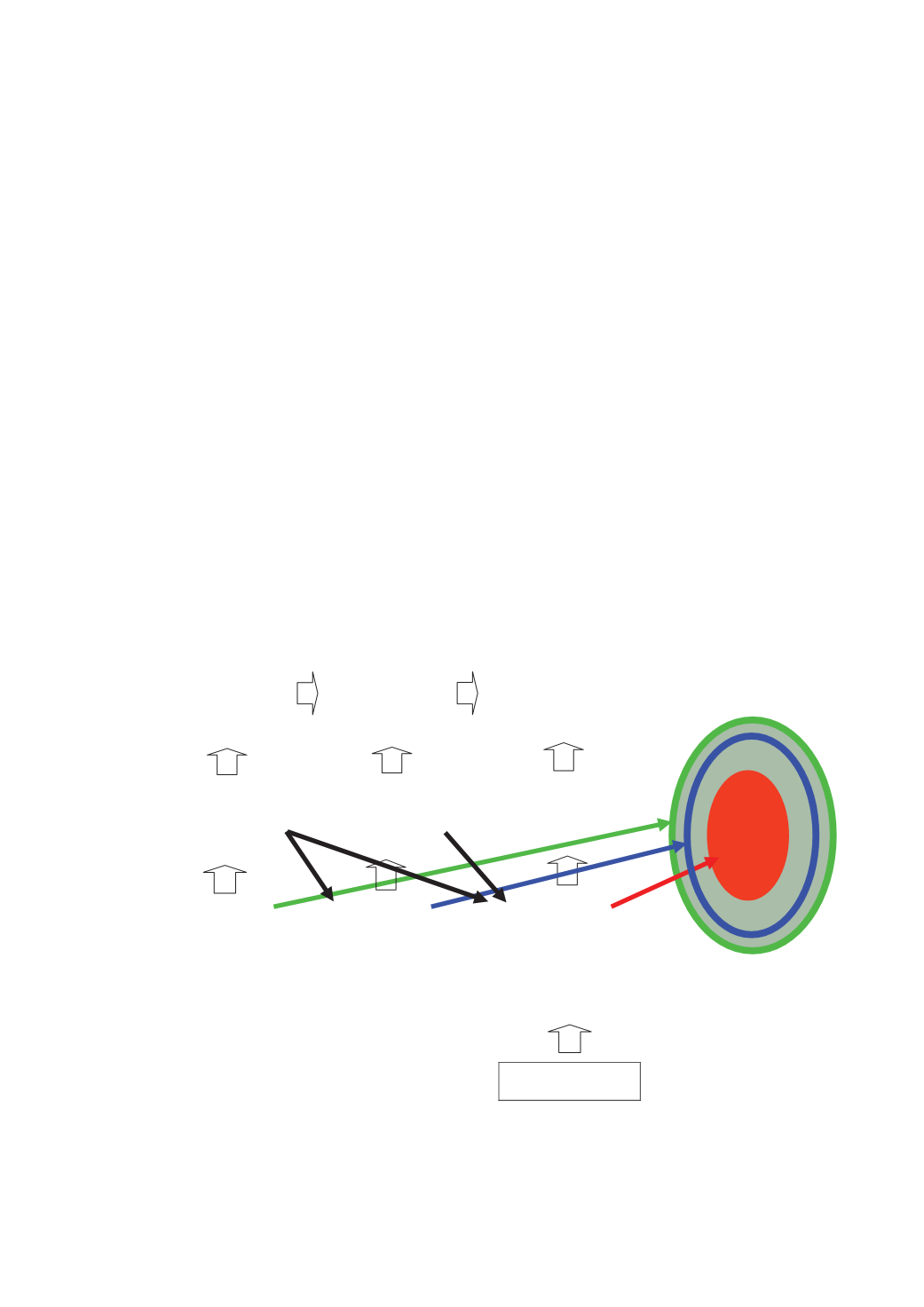
3. components and relatedmodel was
administrative cultural
council
[President, cultural council,
cultural networks, and
Provincial cultural office
Interactive learning
through actions
policies/budgets/
academics/human
resources/managem
-ents/others
cultural capital
cultural council
implementations’
support
policies/budgets/
academics/human
resources/managem
-ents/others
cultural
implementations’
government
organizations,
nongovernment
organizations,
community
organizations, business
organizations, and
academic
organizations
cultural council
implementations’
support
Ministry of Culture
and it’s
departments
,
government and
nongovernment
organizations.


